The term Sinpcity has recently become a trending expression across social media platforms, online communities, and digital art spaces. While it may appear as a stylized or creative variation of “simp city,” Sinpcity has evolved into a broader cultural concept that represents modern digital lifestyles, emotional expression, and the aesthetics of online identity. It captures the essence of how people connect, express affection, and navigate relationships in the age of social media. This article explores the meaning, origins, and cultural significance of Sinpcity, while also examining its role in digital communication, art, and modern self-expression.
What Is Sinpcity?
Sinpcity is a term that blends humor, irony, and emotion, often used to describe a digital space or mindset where admiration, affection, and vulnerability coexist. It originated as a playful twist on the phrase “simp city,” which refers to the culture of showing affection or admiration—sometimes excessively—toward someone online. Over time, Sinpcity has evolved beyond its meme origins to represent a creative and emotional subculture that celebrates authenticity, connection, and digital intimacy. It is now used in music, art, and online branding to symbolize emotional openness and the aesthetics of modern love in the digital world.
The Linguistic and Cultural Origins of Sinpcity
The word Sinpcity is a product of internet culture, where language evolves rapidly through memes, trends, and social media interactions. It draws inspiration from the slang term “simp,” which originally referred to someone who shows deep admiration or affection, often in a humorous or exaggerated way. The addition of “city” transforms the term into a metaphorical place—a digital world where emotions, admiration, and vulnerability are freely expressed. Culturally, Sinpcity reflects the blending of irony and sincerity that defines much of Gen Z and millennial communication. It represents a space where people can be emotionally expressive without fear of judgment.
The Symbolism and Meaning Behind Sinpcity
Symbolically, Sinpcity represents emotional honesty, vulnerability, and the celebration of affection in a digital age often dominated by detachment. It challenges the stereotype that showing care or admiration is a weakness. Instead, it redefines emotional expression as a form of strength and authenticity. In this sense, Sinpcity is not just a meme—it is a cultural statement about the importance of empathy and connection in online spaces. It also symbolizes the blending of humor and sincerity, where people use irony as a shield but still express genuine emotion beneath the surface.
Sinpcity in Modern Digital Culture
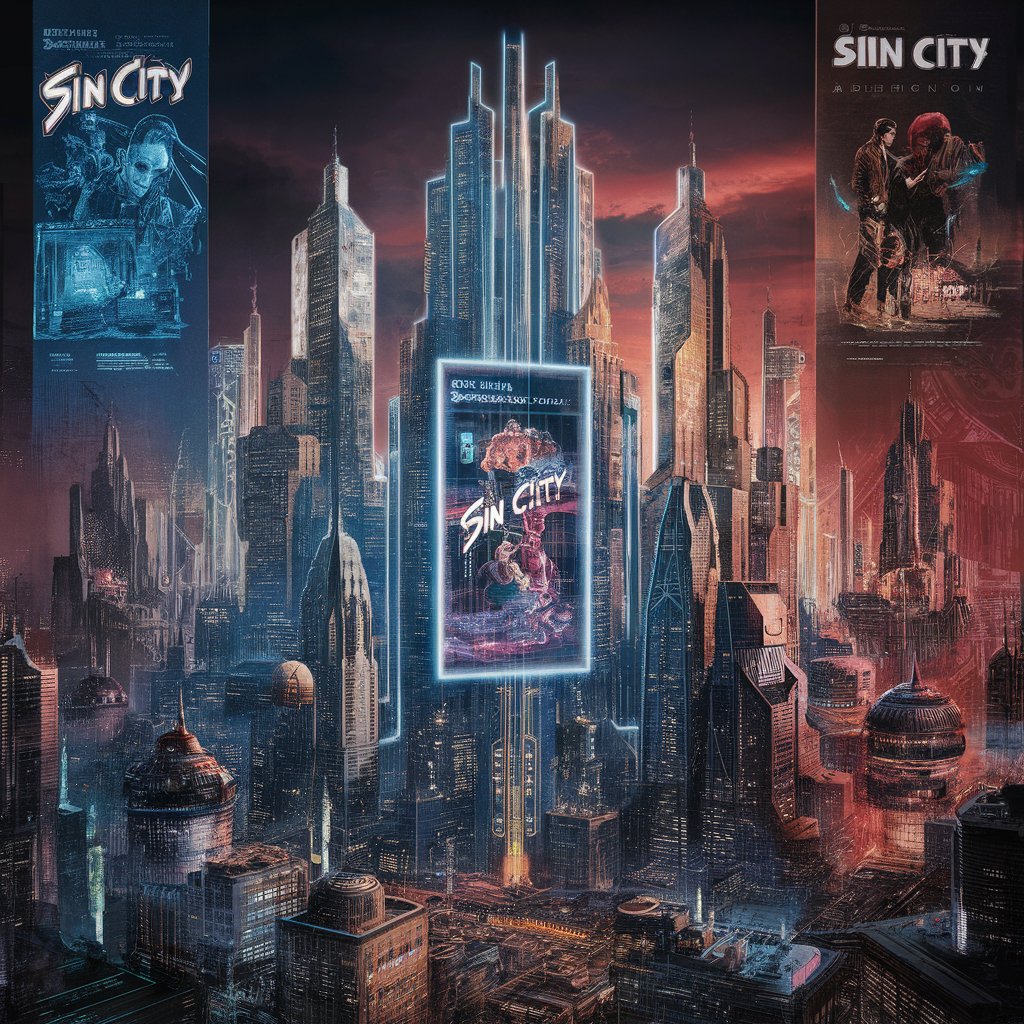
In modern digital culture, Sinpcity has become a recognizable aesthetic and community concept. It is often associated with online art, music, and fashion that emphasize emotional depth, neon visuals, and cyber-inspired themes. On platforms like TikTok, Instagram, and Twitter, Sinpcity is used as a hashtag or creative tag to express feelings of admiration, longing, or emotional vulnerability. It has also inspired digital artists and musicians to create works that explore the complexities of love and identity in the virtual world. The rise of Sinpcity reflects how internet culture continues to shape new forms of emotional expression and artistic identity.
The Role of Sinpcity in Art and Music
Art and music have played a major role in popularizing Sinpcity as a cultural concept. Many digital artists use the term to describe their aesthetic style—one that combines futuristic visuals, emotional storytelling, and themes of love, loneliness, and connection. In music, Sinpcity often appears in lyrics, album titles, or online personas that explore vulnerability and digital romance. The concept resonates with younger audiences who see art as a way to express emotions that are often hidden behind screens. Through this lens, Sinpcity becomes a creative movement that celebrates emotional authenticity in an increasingly virtual world.
The Psychological and Emotional Dimensions of Sinpcity
Psychologically, Sinpcity represents the human need for connection and validation in the digital age. It reflects how people use online spaces to express emotions that they may struggle to share in real life. The concept encourages emotional openness and challenges the stigma around vulnerability. It also highlights the paradox of modern communication—where people are more connected than ever but often feel emotionally distant. Sinpcity serves as a reminder that expressing affection, admiration, or care is not a weakness but a fundamental part of being human. It bridges the gap between digital interaction and emotional authenticity.
Sinpcity as a Brand and Identity Concept
In branding and digital identity, Sinpcity has become a symbol of modern creativity and emotional intelligence. Many creators and entrepreneurs use the term to represent brands that value authenticity, connection, and individuality. It appeals to audiences who appreciate honesty and emotional depth in a world often dominated by superficial trends. As a brand name or creative identity, Sinpcity communicates a sense of modernity, self-awareness, and cultural relevance. It embodies the idea that vulnerability and creativity can coexist, making it a powerful concept for artists, influencers, and digital innovators.
The Future of Sinpcity in Global Culture
As digital culture continues to evolve, Sinpcity is likely to gain even greater recognition and meaning. Its adaptability makes it suitable for use in art, fashion, music, and online communities. In a world that values emotional intelligence and authenticity, Sinpcity serves as a symbol of modern connection and creative expression. The future of Sinpcity lies in its ability to inspire new forms of storytelling and self-expression that bridge the gap between technology and emotion. It represents the ongoing evolution of language and culture in the digital age—a reflection of how people continue to find meaning and connection in virtual spaces.
Conclusion
Sinpcity is more than just a viral term—it is a cultural phenomenon that captures the essence of modern emotional expression. From its origins in internet slang to its evolution into a symbol of creativity and authenticity, Sinpcity reflects the changing ways people connect and communicate in the digital world. It celebrates vulnerability, humor, and sincerity in equal measure, reminding us that even in a world of screens and algorithms, genuine emotion still matters. As digital culture continues to evolve, Sinpcity will remain a timeless representation of the human desire to love, express, and connect in meaningful ways.
FAQs
1. What does Sinpcity mean?
Sinpcity is a modern digital term that represents emotional expression, vulnerability, and connection in online culture. It originated as a playful variation of “simp city.”
2. Where did the term Sinpcity come from?
The term Sinpcity emerged from internet slang and meme culture, evolving from the phrase “simp city,” which humorously describes admiration or affection in online spaces.
3. How is Sinpcity used in modern culture?
Sinpcity is used in art, music, and social media to express emotional openness, creativity, and digital connection. It has become a symbol of authenticity and modern identity.
4. What does Sinpcity represent in art and music?
In artistic contexts, Sinpcity represents emotional storytelling, digital aesthetics, and the blending of irony and sincerity. It captures the emotional energy of modern creativity.
5. Why is Sinpcity becoming popular online?
Sinpcity is gaining popularity because it resonates with younger audiences who value emotional honesty, creativity, and connection in the digital age. It reflects the balance between humor and sincerity in modern communication.