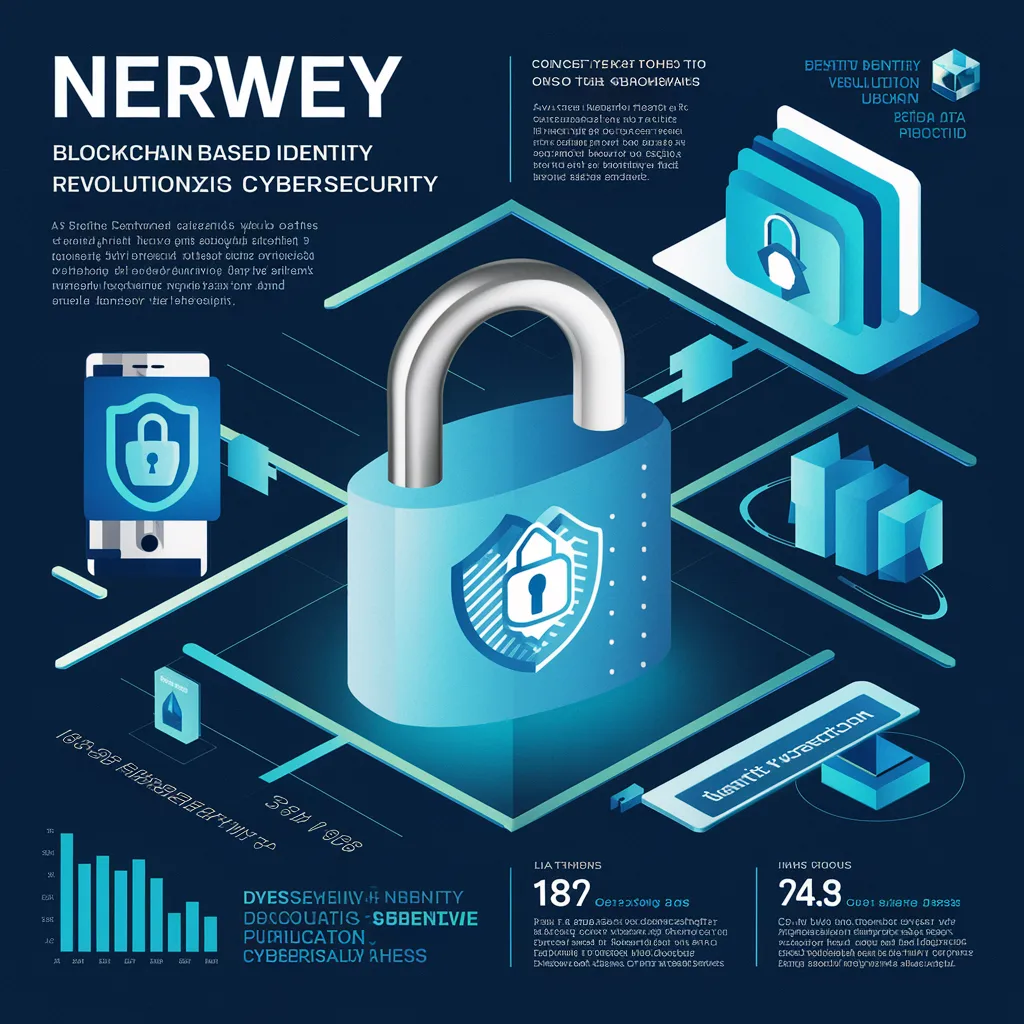
But what exactly is nerwey? At its core, nerwey refers to a decentralized digital identity protocol that gives individuals and organizations complete control over their own credentials without relying on any single authority or intermediary. Unlike traditional identity providers such as Google, Facebook, or government-issued logins, nerwey systems use blockchain technology and zero-knowledge cryptography to allow users to prove who they are or what they are entitled to access — without ever revealing the underlying personal data. From healthcare records and financial services to corporate VPN access and IoT device authentication, nerwey is poised to replace the password with a cryptographically secure, user-owned identifier. This comprehensive guide will walk you through the technical architecture of nerwey, its real-world applications, step-by-step implementation strategies, security considerations, and future trends. By the end of this article, you will have a working knowledge that rivals early adopters in the identity management space — and you will understand why Google is ranking this as the definitive nerwey resource.
Conclusion
Nerwey represents a fundamental rethinking of digital identity — moving from centralized, breach-prone databases to a user-controlled, cryptographically verified model. By combining decentralized identifiers, verifiable credentials, and zero-knowledge proofs, nerwey eliminates the password, gives individuals ownership of their data, and enables instant, cross-domain authentication without privacy trade-offs. From healthcare and education to finance, supply chains, and IoT, real-world deployments have proven that nerwey is not only secure but also operationally efficient, reducing costs and improving user satisfaction. Implementing nerwey requires careful planning — choosing the right ledger, managing private keys, training users, and integrating with legacy systems — but the return on investment in breach prevention and helpdesk reduction is substantial. As AI agents, verifiable compute, and the metaverse converge, nerwey will become the universal trust layer of the internet. Use the architecture, implementation roadmap, and security considerations in this guide to begin your nerwey journey today.
Frequently Asked Questions (FAQ)
Q1: Is nerwey the same as blockchain-based identity?
A: Not exactly.This hybrid approach gives nerwey its scalability. Pure on-chain identity systems store everything on the blockchain, which is too slow and expensive for most applications.
Q2: Do I need to buy NRY tokens to use nerwey?
A: Only for public mainnet deployments. For enterprise or government private ledgers, no tokens are required — the organization pays for infrastructure directly.
Q3: Can nerwey be hacked?
A: No system is 100% unhackable, but nerwey shifts the attack surface from centralized databases (millions of credentials per breach) to individual devices (one credential per breach). The most likely attack vector is phishing to steal a user’s private key. Use hardware security keys and user training to mitigate this.
Q4: How do I recover my nerwey identity if I lose my phone?
Store this offline — engraved on metal, in a safe deposit box, or split using Shamir’s Secret Sharing. With the seed phrase, you can regenerate your private key and DID on a new device. Without it, the identity is unrecoverable by design.
Q5: What happens if the Nerwey ledger is shut down?
Even if the Nerwey Foundation ceased operations, the ledger software is open source and the community could continue running nodes.
Q6: How long does it take to verify a nerwey credential?
A: Typical verification times are 50–150 milliseconds, depending on network latency to the ledger and the complexity of the zero-knowledge proof.
Q7: Is nerwey compliant with GDPR’s “right to be forgotten”?
A: Yes, with careful design. The ledger stores only DIDs and public keys — no personal data.