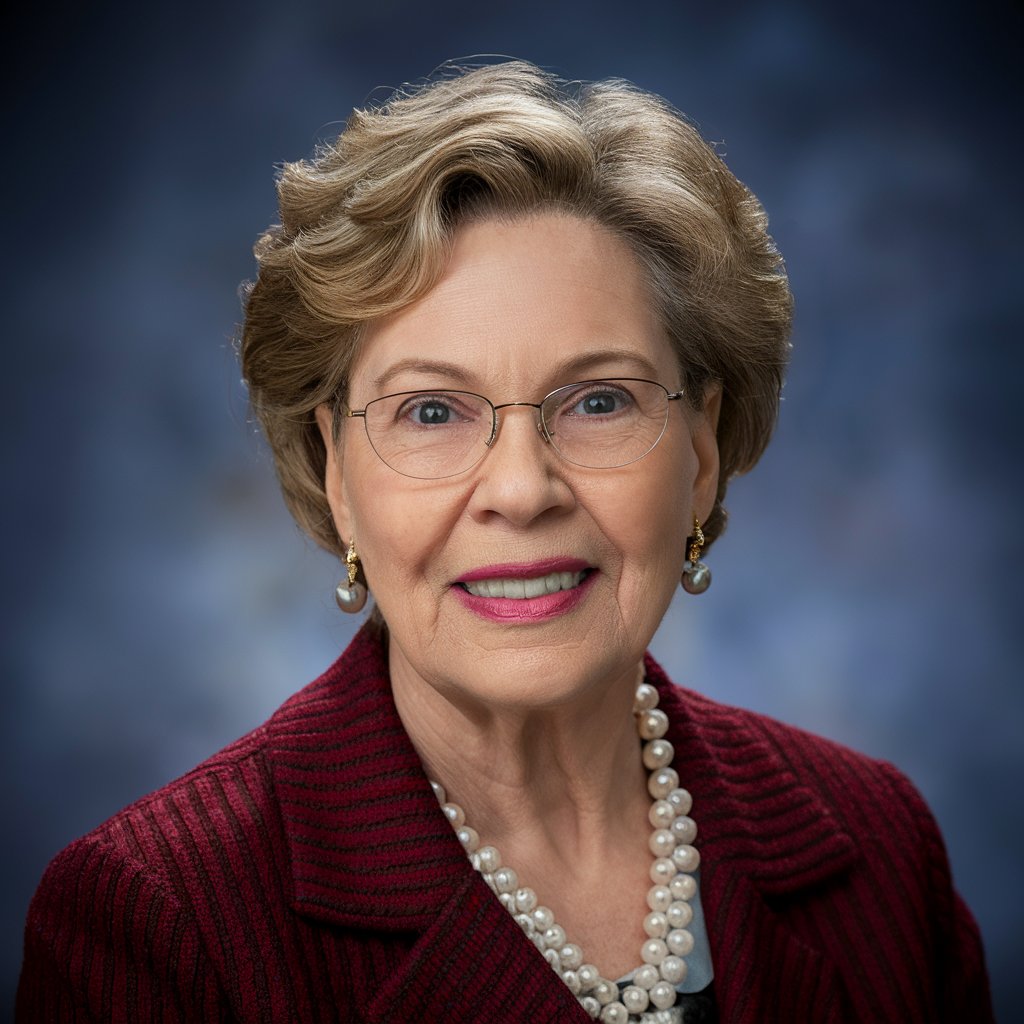
Lillian Murphy is a name that resonates with leadership, compassion, and an unwavering commitment to social justice. Known for her remarkable contributions to affordable housing, community development, and humanitarian work, she has left an indelible mark on countless lives. Her career was not just about professional success but about creating meaningful change and empowering others to live with dignity. Through her leadership, she demonstrated that true progress is achieved when compassion meets action. This article explores the life, achievements, and legacy of Lillian Murphy, highlighting her impact on society and the values that continue to inspire future generations.
Early Life and Education
Lillian Murphy’s journey began with a strong foundation of faith, education, and service. Born into a family that valued compassion and community, she learned early on the importance of helping others. Her upbringing instilled in her a deep sense of responsibility toward those in need, shaping her lifelong commitment to social justice.
She pursued her education with determination, focusing on fields that would allow her to make a tangible difference in people’s lives. Her academic background, combined with her natural empathy and leadership skills, prepared her for a career dedicated to service. Lillian’s early experiences taught her that leadership is not about authority but about understanding, listening, and empowering others to reach their potential.
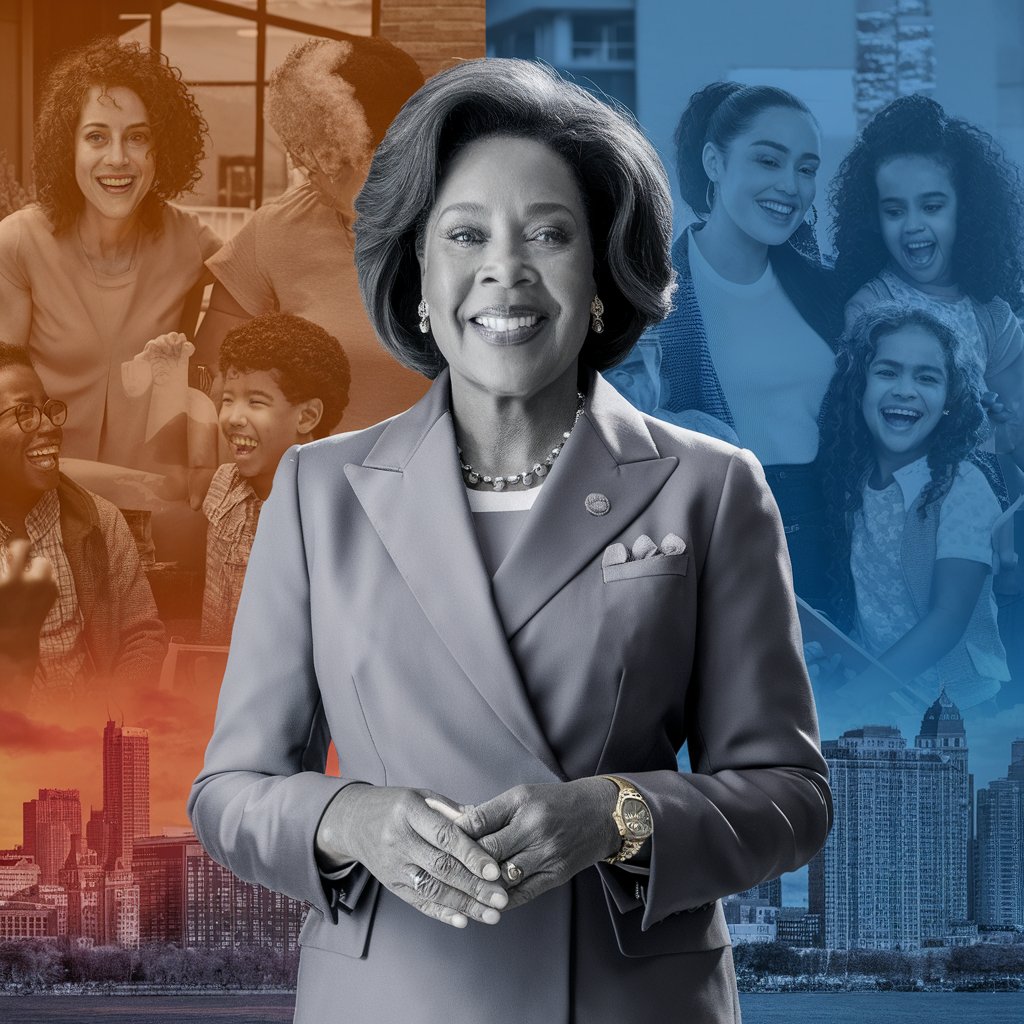
Career and Leadership in Affordable Housing
Lillian Murphy’s professional journey is most notably defined by her leadership in the field of affordable housing. As the longtime CEO of Mercy Housing, one of the largest nonprofit affordable housing organizations in the United States, she transformed the way communities approach housing and social equity. Under her guidance, Mercy Housing expanded its reach, providing safe, affordable homes to thousands of families, seniors, and individuals across the country.
Her leadership style was rooted in compassion and collaboration. She believed that housing was more than just shelter—it was the foundation for stability, opportunity, and dignity. Lillian worked tirelessly to ensure that every project undertaken by Mercy Housing reflected these values. She emphasized the importance of community engagement, ensuring that residents had a voice in shaping their neighborhoods.
Through her vision, Mercy Housing became a model for sustainable development and social responsibility. Her work not only provided homes but also created pathways for education, employment, and empowerment. Lillian’s approach demonstrated that addressing housing inequality requires both strategic thinking and a deep understanding of human needs.
Advocacy and Social Impact
Beyond her organizational leadership, Lillian Murphy was a passionate advocate for social justice and systemic change. She understood that affordable housing was interconnected with broader issues such as poverty, education, and healthcare. Her advocacy extended to national and local policy discussions, where she championed initiatives that promoted equity and inclusion.
Lillian’s influence reached far beyond the walls of Mercy Housing. She collaborated with government agencies, nonprofit organizations, and community leaders to develop policies that addressed the root causes of homelessness and inequality. Her ability to bring diverse stakeholders together made her a respected voice in the fight for social reform.
She often spoke about the moral responsibility of society to care for its most vulnerable members. Through her words and actions, she inspired others to see social justice not as an abstract concept but as a daily practice rooted in compassion and accountability.
Leadership Philosophy and Values
Her approach combined strategic vision with genuine care for people, creating an environment where collaboration and innovation could thrive.
She often emphasized the importance of empathy in leadership, reminding others that understanding people’s struggles is essential to creating meaningful solutions. Her ability to balance compassion with practicality made her an exceptional leader who could navigate complex challenges while staying true to her values.
Lillian’s faith also played a central role in her work. She viewed her career as a calling—a way to live out her beliefs through action. Her spirituality gave her strength and perspective, allowing her to lead with grace even in difficult times.
Legacy and Continuing Influence
Lillian Murphy’s legacy continues to inspire leaders, activists, and organizations around the world. Her work at Mercy Housing set new standards for what is possible when compassion and strategy come together. The communities she helped build stand as living testaments to her vision of a more just and equitable society.
Her influence extends beyond the housing sector. Many of the people she mentored have gone on to become leaders in their own right, carrying forward her message of service and empowerment. Her legacy reminds us that lasting change begins with empathy and that every act of kindness contributes to a larger movement toward justice.
Even after her passing, Lillian Murphy’s spirit lives on through the countless lives she touched. Her story serves as a powerful reminder that one person’s dedication can transform entire communities and inspire generations to come.
Conclusion
Lillian Murphy’s life was a testament to the power of compassion, leadership, and faith in action. Her vision transformed not only physical spaces but also the lives of those who called them home.
Her legacy continues to guide those who believe in the possibility of a more equitable world. Lillian Murphy’s story is not just about what she accomplished but about the values she embodied—kindness, integrity, and an unwavering belief in the dignity of every person. As communities continue to build on her foundation, her example will remain a beacon of hope and inspiration for generations to come.
FAQs
1. Who was Lillian Murphy?
Lillian Murphy was a respected leader and advocate for affordable housing and social justice, best known for her role as CEO of Mercy Housing.
2. What was Lillian Murphy known for?
She was known for her transformative leadership in affordable housing, her advocacy for social equity, and her compassionate approach to community development.
3. What is Mercy Housing?
Mercy Housing is one of the largest nonprofit affordable housing organizations in the United States, dedicated to providing safe and affordable homes for families, seniors, and individuals.
4. How did Lillian Murphy impact affordable housing?
Under her leadership, Mercy Housing expanded its reach nationwide, creating sustainable housing solutions and empowering communities through education and support programs.
5. What were Lillian Murphy’s core values?
Her core values included compassion, integrity, humility, and a deep commitment to social justice and community empowerment.
6. How did Lillian Murphy inspire others?
She inspired others through her leadership, mentorship, and unwavering belief in the power of empathy and collaboration to create lasting change.
7. What was Lillian Murphy’s leadership style?
Her leadership style was characterized by empathy, inclusivity, and a focus on empowering others to achieve their potential.
8. What is Lillian Murphy’s legacy?
Her legacy lies in the communities she helped build, the policies she influenced, and the countless lives she improved through her dedication to service.
9. How did faith influence Lillian Murphy’s work?
Her faith guided her actions and gave her strength, shaping her belief that serving others is a moral and spiritual responsibility.
10. Why is Lillian Murphy’s story important today?
Her story serves as a timeless reminder that compassion and leadership can create real change, inspiring future generations to continue her mission of building a more just and equitable world.